Beyond the Chew: What Dental Treats Can and Cannot Do for UK Pets
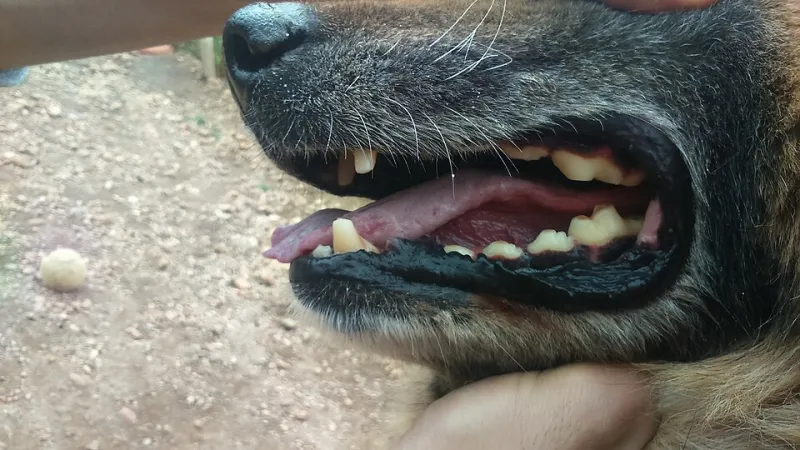
Photo: Roquex, CC0, via Wikimedia Commons
Dental chews have become one of the busiest corners of the UK pet treat aisle. In 2026, you can find sticks, stars, twists and textured rings promising fresher breath and cleaner teeth, often with pictures of very happy dogs. They can be useful, but they are not a magic wand. The most reliable way to keep a pet's mouth healthy is still daily brushing with pet-safe toothpaste, plus regular checks from a vet or veterinary nurse.
That does not mean dental treats are pointless. It means they work best as a supporting act. At Pawsitive Treats, we like a myth-busting approach: enjoy the treat, understand the limits, and choose products that suit your pet rather than the loudest claim on the packet.
What a chew actually does
A dental chew can help through mechanical action. As a pet chews, the texture and shape of the product rub against the teeth and gums, which may help disturb soft plaque before it hardens into tartar. Chewing also encourages saliva flow, and saliva helps rinse the mouth. Some products include added ingredients aimed at reducing plaque or bad breath, but the texture and how long the chew lasts often matter just as much as the label's active ingredient.
There is a balance to strike. A chew that is too soft may do very little before it disappears. A chew that is too hard can fracture teeth, especially in dogs who chew with real determination. Size matters too: a treat that is too small can be swallowed whole, while one that is too large may be awkward for a small mouth. The best choice is a product designed for your pet's size and chewing style, used under supervision.
Reading the label without getting sold the moon
Words like dental, fresh breath and clean teeth are common on packaging, but they are not all equal. In the UK, look for a product that has been accepted by the Veterinary Oral Health Council, often shown as a VOHC seal. This is not a UK regulator, but it is a recognised way of identifying products that have submitted evidence for plaque or tartar control. It is a helpful shortcut, not a guarantee that every pet will benefit.
Check the calorie content and feeding guidance. Dental chews are treats, not complete meals, and they can add a surprising number of calories to a pet's day. If your dog is watching their waistline, a dental chew may need to replace another treat rather than sit on top of the usual allowance. Look at the ingredients if your pet has allergies or a sensitive stomach, and introduce new chews gradually.
Be sceptical of claims that a chew can replace brushing or a vet dental check. It cannot. Be equally cautious with very hard natural chews such as antlers, hooves and bones. They are not dental products in the evidence-based sense, and UK vets regularly see broken teeth and mouth injuries linked to them. Rawhide is another one to treat with caution, as pieces can be swallowed and cause blockages.
How to choose a dental treat
Start with your pet's size, age and chewing habits. A gentle chewer may do well with a textured, flexible chew that lasts a few minutes. An enthusiastic chewer needs something that will not break into chunks, but also something that is not so hard it damages teeth. Puppies should be guided by their vet, especially while their adult teeth are coming through. Cats are not small dogs, and many dental treats designed for dogs are unsuitable for them.
Supervision is essential. Watch how your pet handles the chew, and take it away if they try to swallow it whole or break off large pieces. Fresh water should always be available. If your pet has a history of dental disease, missing teeth, digestive issues or food sensitivities, ask your vet or vet nurse before adding a dental chew to the routine.
Two homemade crunch alternatives
These are not clinically proven dental treatments. They are simple, low-calorie crunch treats to use alongside brushing, not instead of it.
Oat and carrot crunch squares for dogs
Ingredients: 100g porridge oats; 1 small carrot, finely grated; 1 egg; about 80ml water.
Method: Heat the oven to 180C fan and line a small baking tray. Mix the oats, carrot and egg, then add water a little at a time until the mixture holds together. Press into the tray in a thin layer and bake for 20 minutes until firm. Cool completely, then cut into small squares. These should be crisp at the edges but not rock hard. Keep in an airtight container for up to three days, or freeze portions.
Baked chicken crunch nibbles for cats
Ingredients: 1 small skinless chicken breast fillet, plain and uncooked.
Method: Heat the oven to 120C fan. Slice the chicken very thinly and place on a lined tray. Bake for 45 to 60 minutes until dry and crisp, turning once. Cool completely, then break into tiny pieces. Store in the fridge for up to two days. These are a high-protein treat, but they are still treats. Keep portions tiny and supervise your cat while they eat.
The bottom line
Dental chews can be a helpful extra for some pets, but they are not a substitute for brushing, veterinary dental checks or a sensible diet. Choose products that fit your pet's size and chewing style, watch the calories, and avoid very hard chews that can cause damage. If your pet has bad breath, red gums, tartar, drooling or trouble eating, book a dental check rather than reaching for another packet of chews. A healthy mouth is built on routine, not marketing.