When the Sky Gets Loud: Calm-First Treat Routines for Bonfire Season

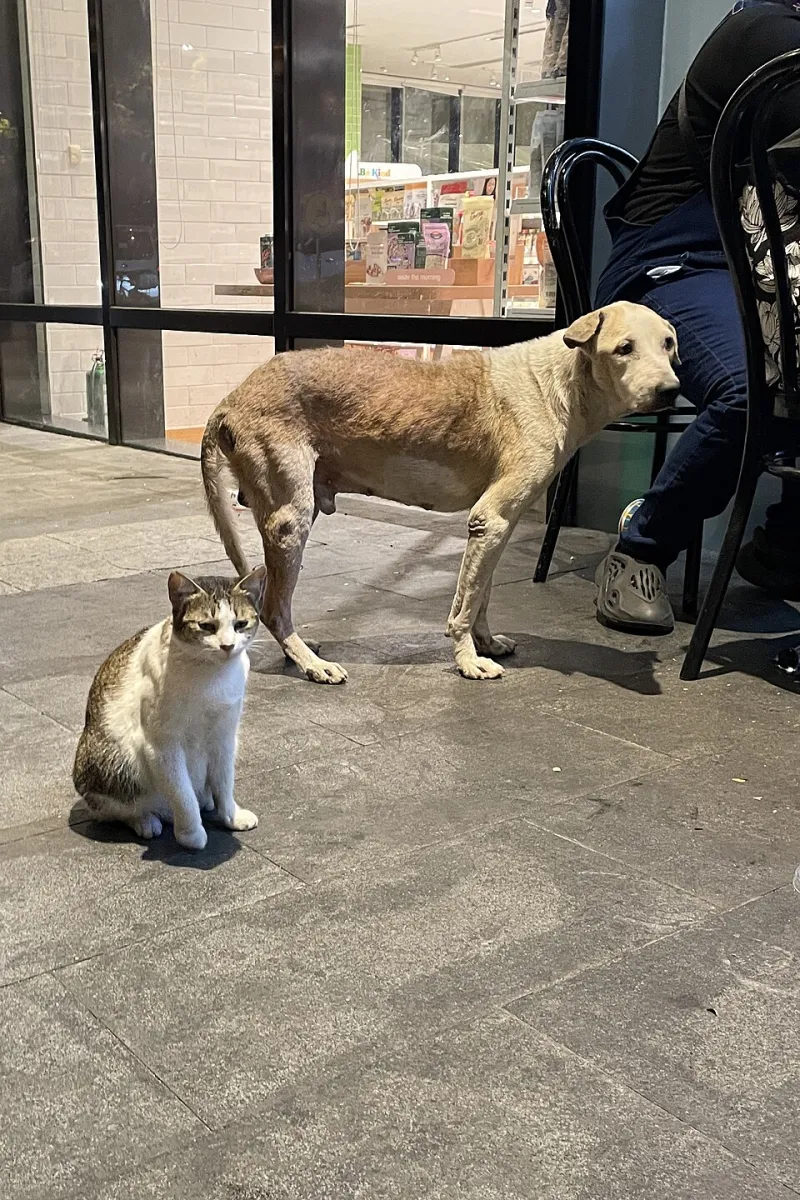
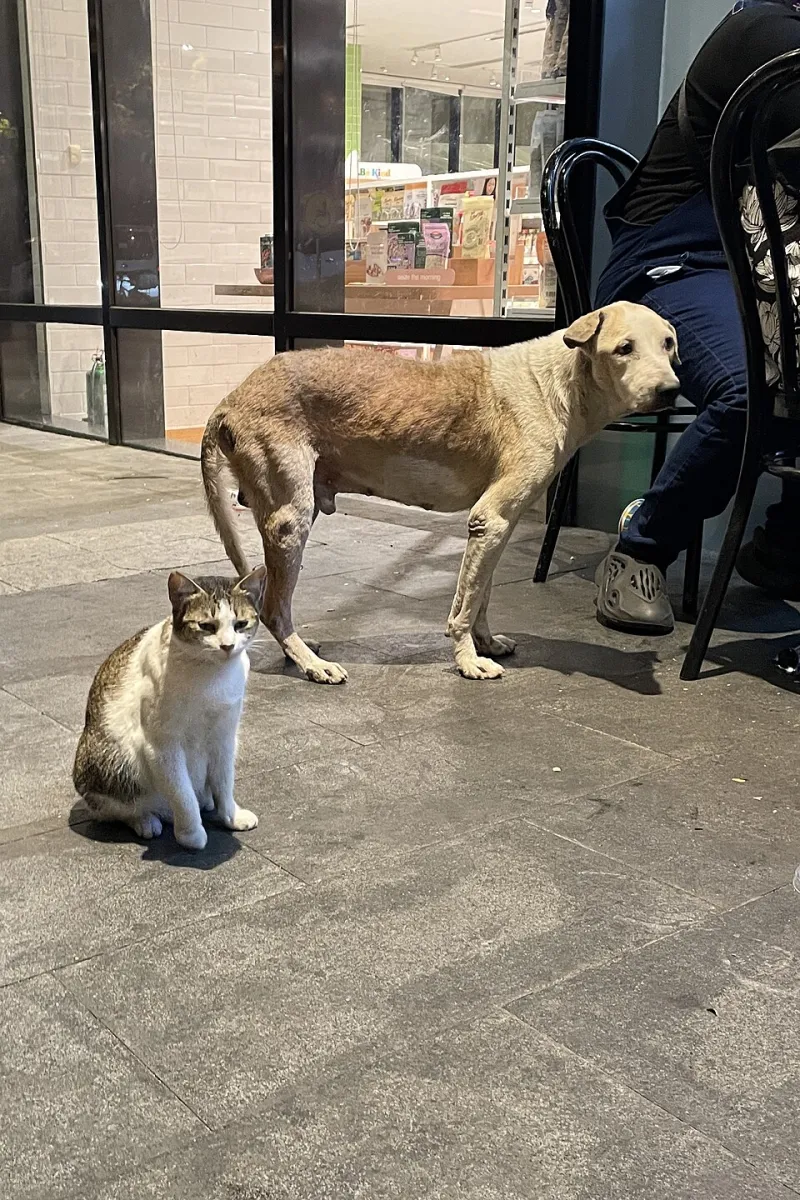
Photo: PattayaPatrol, CC BY-SA 4.0, via Wikimedia Commons
Firework season in the UK is rarely one night. Bonfire Night stretches into a week of local displays, Diwali brings its own celebrations, New Year's Eve arrives with bangers and whistles, and a summer thunderstorm can sound just as dramatic to a pet. If your dog or cat finds loud noises difficult, treats can be part of a calm routine. They are not a cure for fear, and no biscuit should be asked to do the job of a vet or a qualified behaviourist.
The honest starting point
Fear is an emotion, not disobedience. A pet who is trembling, panting, hiding or trying to escape is not being naughty and will not be 'fixed' by a tasty snack. Treats are useful for creating a positive association, encouraging gentle movement and giving a pet something safe to do with their mouth and mind. If your pet's fear is severe, or if they have hurt themselves trying to escape, speak to your vet. In 2026 there are sensible treatment plans, including behavioural support and, where appropriate, medication, but they should be prescribed by a professional.
Before the first bang: set the routine
Start before the noise. Choose a quiet room, close the curtains, put on a familiar radio or playlist and set up a den with a bed and a water bowl. Feed the main meal at the normal time rather than withholding food to make treats 'work better'. A hungry pet is not a calmer pet. If your vet has advised a specific feeding plan, follow that instead.
The treat routine should be familiar before fireworks night. Practise a simple puzzle or a lick mat on a quiet afternoon so the object itself is not new and scary when the sky gets loud. Keep your own movements slow and your voice ordinary. A pet takes cues from the household, and a frantic search for the 'right' treat can add to the tension.
Safe snacks for a distraction plan
Choose treats your pet already knows. Firework season is not the moment to trial a new luxury chew or a rich, fatty snack. Small pieces of plain cooked chicken, a few of their usual biscuits, or a teaspoon of plain pet-safe yogurt can be enough. For cats, stick to their normal treats or a tiny piece of plain cooked fish. If you use a lick mat, spread the topping thinly and avoid anything with xylitol, chocolate, raisins, onions, garlic or alcohol.
High-fat treats and big chews can upset some stomachs, and a frightened pet may swallow too quickly. Keep pieces small and have water available. If your pet will not eat at all, that is a sign of stress, not a reason to force a treat. Offer, then leave it.
Puzzles, licky mats and timing
A puzzle feeder or snuffle mat can help before the noise peaks, when your pet is still able to think and sniff. Once the bangs start, a pet who is already hiding may not want to work for food. Do not drag them out to show them a treat. Place a small snack near their chosen safe spot and let them choose.
For dogs, a frozen stuffed toy can be useful if they are used to it, but skip it if they are too anxious to chew. For cats, a simple cardboard box with a few treats hidden in crumpled paper can be enough. The goal is not to distract your pet out of fear; it is to give them a gentle, familiar activity that competes with the noise without forcing them to perform.
What to skip
Skip anything that promises to 'cure' noise fear. Be cautious with calming supplements and always check with your vet first, especially if your pet takes medication. Never give human sedatives, antihistamines or painkillers. Avoid tying treats to the loudest moments in a way that accidentally rewards panic; instead, reward calm behaviour when you see it, even if that calm is just a pet lying in their den with a relaxed jaw.
Also skip the urge to host a fireworks party for pets. Even the best-behaved dog can be overwhelmed by extra people, music and doors opening and closing. If you have guests, keep the safe room quiet and ask people not to disturb the pet.
After the noise
The next day matters too. Check that your pet is eating, drinking and toileting normally. Some pets are more anxious for a few days after a loud event, so keep the routine steady and the treats small. If your pet is still not themselves after a day or two, or if fear is affecting their daily life, make a note of what happened and speak to your vet.
Treats are a small, kind tool in a bigger plan. They can make a safe room feel more welcoming, give a pet something to lick or sniff, and help build a positive association with the sounds outside. They cannot replace patience, a proper den, background noise, or professional help. This Bonfire season, aim for calm first and biscuits second, and let the treats be a comfort rather than a cure.