Grey Muzzles, Gentle Nibbles: A Senior Treat Guide for UK Pets

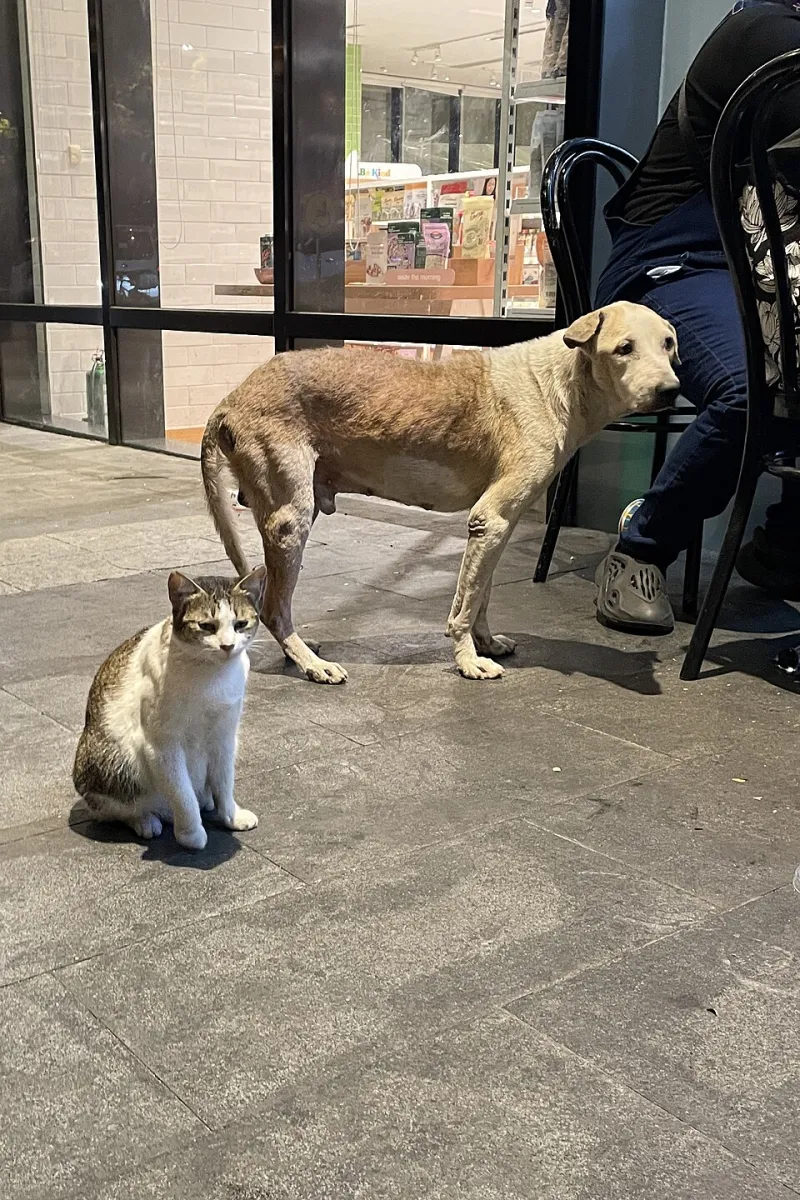
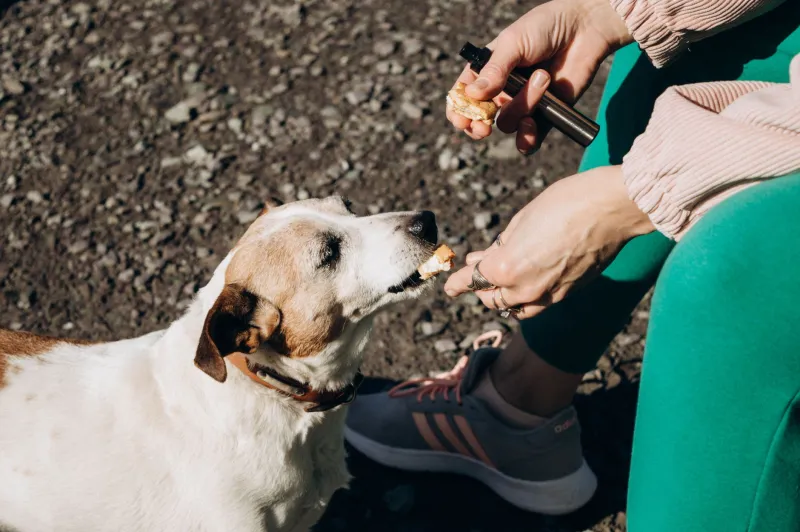
Photo: senior dog grey muzzle and older cat soft treats, via images-wixmp-ed30a86b8c4ca887773594c2.wixmp.com
When treat time needs a rethink
A grey muzzle and a slower stroll do not mean the fun has to stop. They often mean the routine needs a gentle tweak. Senior pets are individuals, not a category, and there is no single age when every dog or cat becomes old. Small dogs may be senior at around 10 to 12, larger dogs earlier, and cats are often considered senior from around 11. Your vet knows your pet's history, so use their advice as the anchor.
At Pawsitive Treats, we think senior snacking should stay cheerful. It should also be practical. Treats can remain a daily pleasure, but the size, texture and ingredients may need to change as joints stiffen, teeth wear and weight creeps up.
Start with texture, not just flavour
For many older pets, the first issue is not what the treat tastes like but whether it is comfortable to eat. Hard biscuits can be a struggle for a dog with dental disease or missing teeth. A cat with sore gums may prefer something soft and pate-like. Watch your pet eat. If they drop food, chew on one side, take a long time or seem reluctant, mention it to your vet.
Soft options include small pieces of plain cooked chicken, flaked fish, soft commercial senior treats, or a little pate-style food used as a treat. You can also soften some existing treats with a splash of warm water, but check that the treat is suitable for that and do not leave wet food sitting out. Avoid hard chews if your vet has warned about fragile teeth or jaw problems.
Calories creep up quietly
Older pets often move less, sleep more and need fewer calories. Treats can quietly tip the balance. Keep treats to around 10% or less of daily calories unless your vet advises otherwise, and remember that senior treats are often denser than they look. Break larger treats into smaller pieces. A tiny piece of chicken can carry as much reward as a whole biscuit for many dogs.
If your pet is overweight, do not simply cut meals without advice. Adjust treats first, weigh portions, and ask your vet for a safe weight plan. If your pet is losing weight, that is also a reason to check in, not to pile on extra snacks.
Joint-friendly ingredients and sensible supplements
Owners often look for treats with glucosamine, chondroitin, green-lipped mussel or omega-3 oils. These ingredients may have a place, but a treat is not a reliable way to treat arthritis. If your vet has recommended a joint supplement, follow their advice. Do not add human supplements to homemade treats without checking, as some are not safe for pets or can interfere with medication.
Good general nutrition matters too. Senior pets often need good-quality protein to help maintain muscle, unless your vet has advised otherwise because of kidney disease. Omega-3 from fish oil can be useful in some cases, but the dose matters. A little plain cooked fish as an occasional treat is one thing; a homemade fish oil cocktail is quite another.
Special conditions need special care
Senior pets are more likely to have diagnosed conditions, and treats may need to fit around them.
- Kidney disease: avoid high-salt treats and ask your vet about phosphate levels. Some pets need a prescription diet, and extra treats can upset the balance.
- Diabetes: sugary treats are out, and carbohydrate portions matter. Ask your vet before changing treats.
- Pancreatitis: keep fat low and avoid rich cheesy bites or fatty meats.
- Dental disease: choose soft textures and ask about dental checks.
- Food allergies: stick to known safe proteins and check labels every time, as recipes change.
If your pet is on medication, ask your vet whether it can be hidden in food. Some tablets can be crushed or mixed; others must not be. Never change the way you give medication without advice.
The multi-pet household
In a home with a young dog and an older cat, or two dogs of very different speeds, treat time can become a race. Senior pets may need a quiet space, a closed door or a separate routine. A slower eater should not have to compete. If one pet is on a prescription diet, keep their treats separate and clearly labelled. It sounds fussy, but it prevents a lot of accidental snack swapping.
A gentle shopping list
Look for soft, small, lower-calorie treats with simple ingredients. Single-protein options can be useful for sensitive pets. Check for xylitol, raisins, grapes, chocolate, onions, garlic and added salt. UK labels can be busy, so read the ingredients rather than relying on the front of the packet. If you are unsure, ask the manufacturer or your vet.
Homemade treats can work well for seniors because you control the texture and size. Keep recipes plain, avoid rich dairy and fat, and make small batches. A soft chicken and oat nibble or a little mashed sweet potato may suit some pets, but introduce anything new slowly.
When to call the vet
Treat changes are not a substitute for a check-up. Book an appointment if you notice weight loss, weight gain, poor appetite, vomiting, diarrhoea, drinking more, stiffness, bad breath, drooling, difficulty chewing or a change in toileting. Senior pets benefit from regular check-ups, and many UK vet practices offer senior health clinics. A treat guide can help you ask better questions; it cannot diagnose your pet.
The golden rule
Treats are about connection. They mark good behaviour, soothe a rainy afternoon and say good morning better than words. For a senior pet, the best treat is often a smaller, softer version of the one they already love, offered with a little patience. Keep the joy, adjust the details, and let your vet help with the rest.