Jar, Roll, Chill: Four No-Bake Treats for UK Dogs and Cats

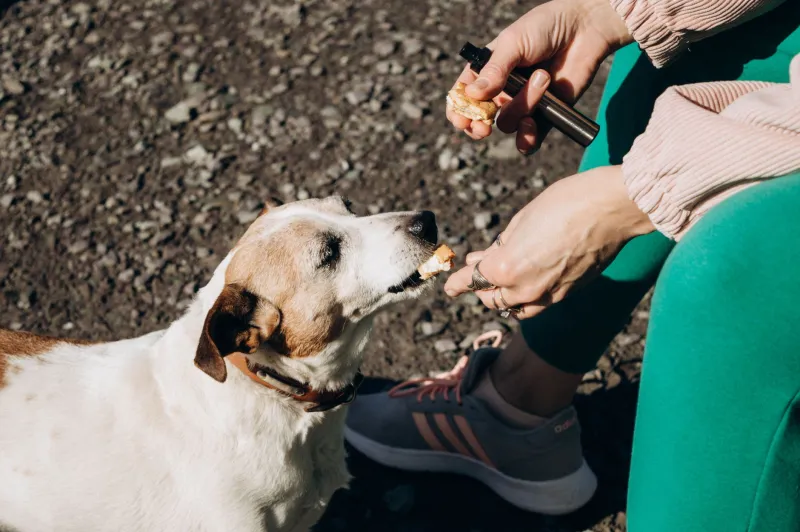
Photo: homemade no-bake dog treats oats banana on kitchen counter, via thumbs.dreamstime.com
A treat tin you can actually keep up with
There is a certain romance to a tray of homemade dog biscuits cooling by the window. There is also real life: work, the school run, muddy walks and a cat demanding dinner at 4pm. No-bake treats are the practical middle ground. They take minutes, use ingredients you probably already have, and let you control what goes in.
Here at Pawsitive Treats, we are all for kitchen projects that do not turn into an afternoon. These four recipes are built for UK kitchens and ordinary supermarket ingredients. They are not a replacement for a balanced diet, and they are not a cure for anything. They are simply nice, sensible extras that can make treat time feel a bit more special.
Before you start: the small print
Treats should be a small part of the daily diet, not a second dinner. A common guide is to keep treats to around 10% or less of a pet's daily calories, but your vet can give you a more specific figure based on your pet's age, weight and health.
A few safety habits are worth repeating:
- Check every label for xylitol, raisins, grapes, chocolate, onions, garlic, macadamia nuts, alcohol and caffeine. These are not safe for dogs, and some are not safe for cats either.
- Peanut butter is a popular treat ingredient, but UK shoppers should check for xylitol and other sweeteners. Some reduced-sugar spreads contain them.
- Introduce one new ingredient at a time, especially if your pet has a sensitive stomach.
- Wash hands, boards and bowls, and keep finished treats in the fridge.
- If your pet has allergies, kidney disease, diabetes, pancreatitis or another diagnosed condition, ask your vet before experimenting.
1. Banana and Oat Bites for dogs
Makes around 20 small bites.
You will need: 100g porridge oats, 1 ripe banana, 1 tablespoon xylitol-free peanut butter or sunflower seed butter, and 1 to 2 tablespoons water if the mix feels dry.
Method: Mash the banana in a bowl, stir in the oats and nut or seed butter, then mix until it holds together. Add water a teaspoon at a time if needed. Roll into small bite-sized balls, place on a lined tray and chill for at least 30 minutes.
Simple swaps: Use gluten-free oats if your dog avoids gluten. Swap banana for mashed cooked sweet potato or plain pumpkin puree. Swap nut butter for pumpkin seed butter if nuts are a concern.
Portion note: One bite for a small dog, two for a medium dog and up to three for a large dog is a sensible starting point. Break them smaller for training.
2. Tuna and Catnip Nibbles for cats
Makes around 20 pea-sized nibbles.
You will need: 1 x 80g tin of tuna in spring water, drained, 2 tablespoons fine oat flour or blitzed oats, 1 teaspoon dried catnip if your cat enjoys it, and 1 to 2 teaspoons water.
Method: Flake the tuna well, then mix with the oat flour and catnip. Add water a little at a time until the mixture can be rolled into tiny nibbles. Chill for 30 minutes before serving.
Simple swaps: Salmon in spring water works instead of tuna. Use gluten-free oat flour if needed. Leave out catnip if your cat is not bothered or is sensitive to it.
Portion note: Cats are small, so keep these to one or two nibbles at a time. Tuna is best as an occasional treat rather than a daily staple, and always choose spring water rather than brine or oil.
3. Carrot and Cottage Cheese Drops for dogs
Makes around 18 small drops.
You will need: 1 small carrot, finely grated, 80g porridge oats, 2 tablespoons cottage cheese and 1 teaspoon dried parsley if you like.
Method: Mix everything in a bowl until combined. If the mixture is too wet, add a few more oats. Roll into small drops and chill for at least 30 minutes.
Simple swaps: For dairy-sensitive dogs, use a dairy-free soft cheese alternative that is suitable for pets, or simply omit the cheese and add a little mashed sweet potato. Use gluten-free oats if needed. Grated courgette can replace carrot, but cook it lightly first and squeeze out excess water.
Portion note: These are richer than plain oat bites, so keep them small. One or two drops is plenty for most dogs as a treat.
4. Chicken and Oat Cat Nibbles for cats
Makes around 20 tiny nibbles.
You will need: 60g cooked plain chicken breast, shredded, 3 tablespoons oat flour or finely blitzed oats, and 1 to 2 tablespoons water.
Method: Blitz or finely chop the chicken, then mix with the oat flour. Add water gradually until the mixture holds together. Roll into tiny nibbles and chill for 30 minutes.
Simple swaps: Cooked turkey breast works well. Use gluten-free oats if your cat reacts to standard oats. Keep to a single protein if your cat has a sensitive tummy.
Portion note: One or two nibbles at a time is enough. These are not a complete food, so they should sit alongside your cat's normal diet, not replace it.
Portion guidance without the guesswork
Treat size matters as much as treat frequency. A large homemade bite can be the calorie equivalent of several shop-bought mini treats. Break treats into smaller pieces, especially for small dogs and cats. If your pet is putting on weight, start by reducing treats rather than cutting meals without advice. If your pet is losing weight or has changed appetite, speak to your vet.
A simple routine helps: keep the treat tin out of reach, use a small scoop, and remember that training treats count towards the daily total. It is also fine to use part of your pet's normal daily ration as a treat if your vet is happy with that approach.
Storage and food safety
These no-bake treats contain fresh ingredients, so treat them like food. Keep them in a clean, labelled container in the fridge for up to three days. For longer storage, freeze in small portions for up to two months and defrost overnight in the fridge. Discard anything that smells off, looks mouldy or has been left out too long.
Do not use raw egg, and do not add salt, stock cubes, gravy granules or human sauces. Plain is better. If you are making a batch for a friend's pet, ask about allergies and health conditions first.
A final tail wag
No-bake treats are not magic health food. They are a cheerful, manageable way to show care, and they can be adapted to fit real UK kitchens and real pets. Start with small batches, watch how your dog or cat responds, and keep the treat tin as a nice extra rather than the main event.