Whisker-Worthy Bites: A UK Cat Treat Guide for Picky Palates
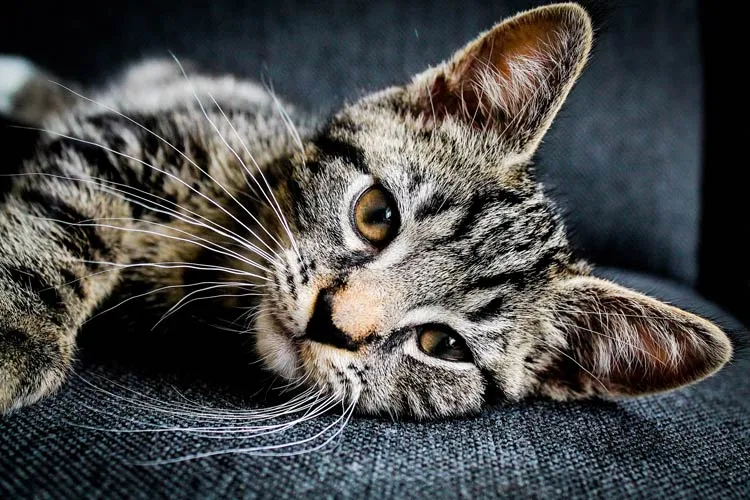
Photo: cat sniffing homemade chicken treat in UK kitchen, via dinoanimals.com
Cats have a reputation for being fussy. In truth, they are simply precise. A cat does not care that a treat looks generous or comes in a charming tin. They care about smell, texture, protein and whether the whole experience feels worth getting up for. That makes cat treats a different business from dog snacks — and rather more fun to get right.
Cats Are Not Small Dogs in Furry Coats
Dogs are omnivores with a flexible approach to dinner. Cats are obligate carnivores, which means their bodies are built around animal protein. Taurine, an amino acid, is essential for cats and must come from their diet. A dog treat may be perfectly safe for a dog and still be a poor choice for a cat, especially if it is not formulated with feline needs in mind.
That does not mean every cat treat must be a laboratory-perfect pellet. It does mean treats should be a small, occasional extra alongside a complete cat food that already provides the nutrition your cat needs. Treats are the garnish, not the meal.
Protein, Taurine and Label Clues
When you pick up a packet in a UK pet shop or supermarket, start with the ingredients. Named animal protein — chicken, turkey, salmon, white fish — near the top is a good sign. Look for taurine on the ingredient list or in the nutritional additives. Check whether the product is described as a complementary pet food, which is the label term for something that is not a complete diet.
Texture and smell matter too. Many cats prefer strong-smelling, soft treats, while others enjoy a crunch. Small pieces are easier to use for training and less likely to be gulped whole. And because cats are small, calorie density matters: a treat that looks modest to you can be a significant chunk of a cat’s daily intake.
The UK Shopping Checklist
- Named animal protein first, where possible.
- Taurine listed on the label.
- Clear wording: complementary treat, not a replacement for complete food.
- No onion, garlic, chocolate, raisins, grapes, xylitol or alcohol.
- Small piece size, or a texture you can easily break up.
- A smell your cat actually notices. If they walk away, the packet was not a bargain.
- A sensible calorie guide on the pack. If it is missing, keep portions tiny and ask your vet for advice.
If your cat has kidney disease, diabetes, allergies or another medical condition, run new treats past your vet or veterinary nurse first. The same goes for kittens and senior cats with special diets.
Texture, Temperature and the Nose Knows
Cats often enjoy treats that are closer to room temperature, when the aroma is strongest. A piece of cooked chicken straight from the fridge may be ignored; the same piece warmed in your hand for a few seconds can suddenly become fascinating. Some cats prefer a soft pâté-like texture, others want a brittle crunch they can bat around. Offer small amounts and watch what your cat does, rather than what the packaging promises.
Three Simple Cat-Friendly Treat Ideas
1. Poached Chicken Slivers
Poach a skinless chicken breast in unsalted water until cooked through. Cool, then shred or cut into 3 mm pieces. Keep a portion in the fridge for up to two days and freeze the rest in tiny bags. No salt, stock, onion or garlic. These are soft, smelly and easy to break smaller.
2. Fish Flake Nibbles
Use plain cooked white fish or a tin of sardines in spring water, drained. Flake finely and check carefully for bones. Offer a few small flakes at a time. Fish is rich, so keep it occasional rather than a daily habit, and avoid any fish tinned in brine, oil or sauce.
3. Nutritional Yeast Dust
Blitz a tablespoon of plain nutritional yeast with a couple of tablespoons of freeze-dried chicken or fish into a fine powder. Use a pinch as a topper on a small piece of cooked chicken, or dust it over a lick mat. Check that your nutritional yeast is plain and does not contain added garlic, onion or other seasonings. Some cats love the savoury flavour; others are unimpressed, which is very much their prerogative.
Treats Are a Garnish, Not the Main Course
The best cat treats are small, simple and chosen with a little label literacy. They should work with your cat’s complete food, not replace it. A treat can be a training aid, a scent game, a way to help a shy cat feel braver, or simply a tiny moment of joy on a rainy Tuesday.
Celebrate the discerning palate. If your cat turns their nose up at a new packet, that is not failure — it is feedback. Try a different texture, a warmer piece, a smaller flake. And keep the complete food, fresh water and veterinary advice as the foundation. Feline fine is a team effort, and the treats are just the sprinkles on top.